

About Long-Distance Family
Supporting the workforce means understanding the family behind it.
Long Distance Family helps employers better understand and respond to the pressures that work-related separation can place on employees and their families.
When work regularly takes someone away from home, the impact rarely stops with the employee. Time apart can affect communication, parenting, household responsibilities, connection and the transition back home.
Those pressures can be highly personal, but they are also part of the workforce experience.
Long Distance Family was created to help organizations address that reality in a practical, respectful way.
We provide workforce insight, employee and family education, and practical tools designed specifically for people navigating recurring time apart because of work.
Why Long Distance Family Exists
Traditional workplace wellness programs tend to focus on the individual employee.
That support is important.
But for employees who routinely work away from home, there is another part of the experience that can easily be overlooked:
the relationship between work, home and family life.
A rotational schedule, extended assignment or frequent travel arrangement can affect an entire household.
The employee may be managing long hours, isolation and the challenge of staying connected from a distance.
At home, a partner may be managing additional parenting, household responsibilities and decisions alone.
When the employee returns, the family often has to adjust again.
Then the cycle starts over.
Long Distance Family focuses specifically on that work-family interface.
Our role is not to become involved in employees' private relationships.
It is to help employers understand where work-related separation creates pressure and provide employees and families with practical resources to navigate it more effectively.

A Specialized Approach to Work-Related Separation
Long Distance Family's work is built around a simple reality:
working away from home is not a single event. It is a recurring cycle of transitions.
We look at the experience across five stages:
Prepare
Planning for the next period apart, including responsibilities, schedules, expectations and communication.
Separate
Adjusting to different routines and responsibilities while the employee is away.
Connect
Maintaining meaningful involvement and communication across distance.
Return
Navigating expectations and adjusting when the employee comes home.
Reset
Learning from the previous rotation or assignment and preparing for the next one.
By focusing on these transition points, we can provide practical support that reflects the realities employees and families actually experience.

How We Work With Employers
Our approach is built around four steps:
Listen
Give employees and, where appropriate, families a meaningful opportunity to share what they are experiencing.
Understand
Identify where work-related separation is creating the greatest pressure and what types of support employees would actually value.
Equip
Provide practical education and tools employees and families can use before, during and after periods apart.
Respond
Help HR and People & Culture teams identify realistic opportunities to strengthen workforce and family support.
Our goal is not to prescribe sweeping organizational change.
It is to provide organizations with relevant insight, practical tools and a clearer understanding of an often-overlooked part of the employee experience.
Built From Both Professional and Lived Experience
Long Distance Family was founded by Samantha Bahan Fehr.
Samantha brings more than a decade of experience across mental health, human services, disability support and human resources.
Her professional background includes supporting individuals through complex personal and workplace challenges, conducting qualitative research and working with survey methodology.
She also understands work-related separation personally.
Samantha and her family have experienced the realities of a work-away arrangement firsthand, including the practical and emotional adjustments that occur when one partner regularly leaves home for work and returns again.
That combination of professional knowledge and lived experience shaped Long Distance Family.
It also shapes how we work:
listen first, understand the experience, and provide practical support that respects both the employee and the family.




Designed for Employers. Built Around Real Families.
Long Distance Family works with organizations whose employees regularly spend meaningful periods away from home.
That can include:
rotational and remote work
project-based assignments
frequent business travel
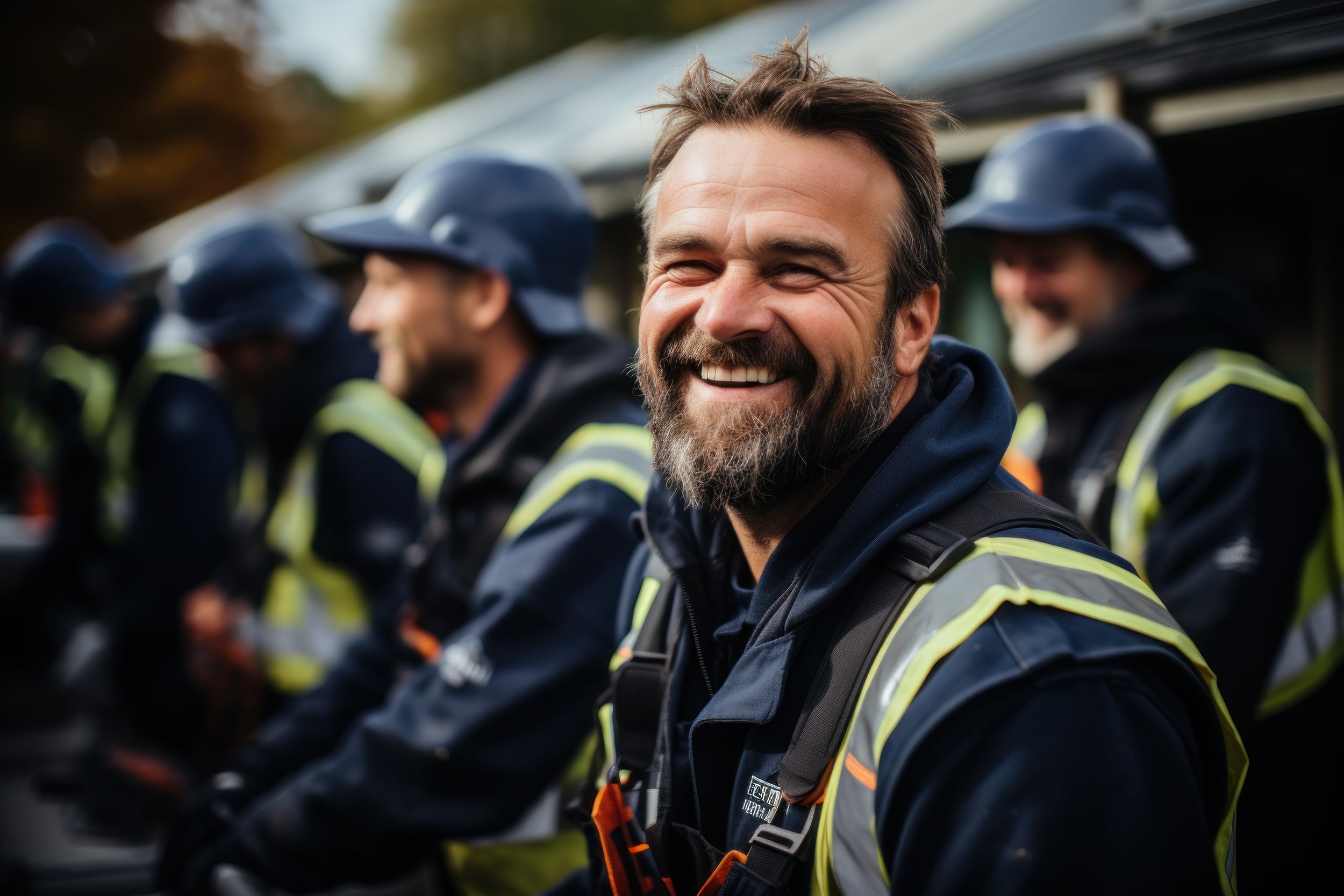
field-based work
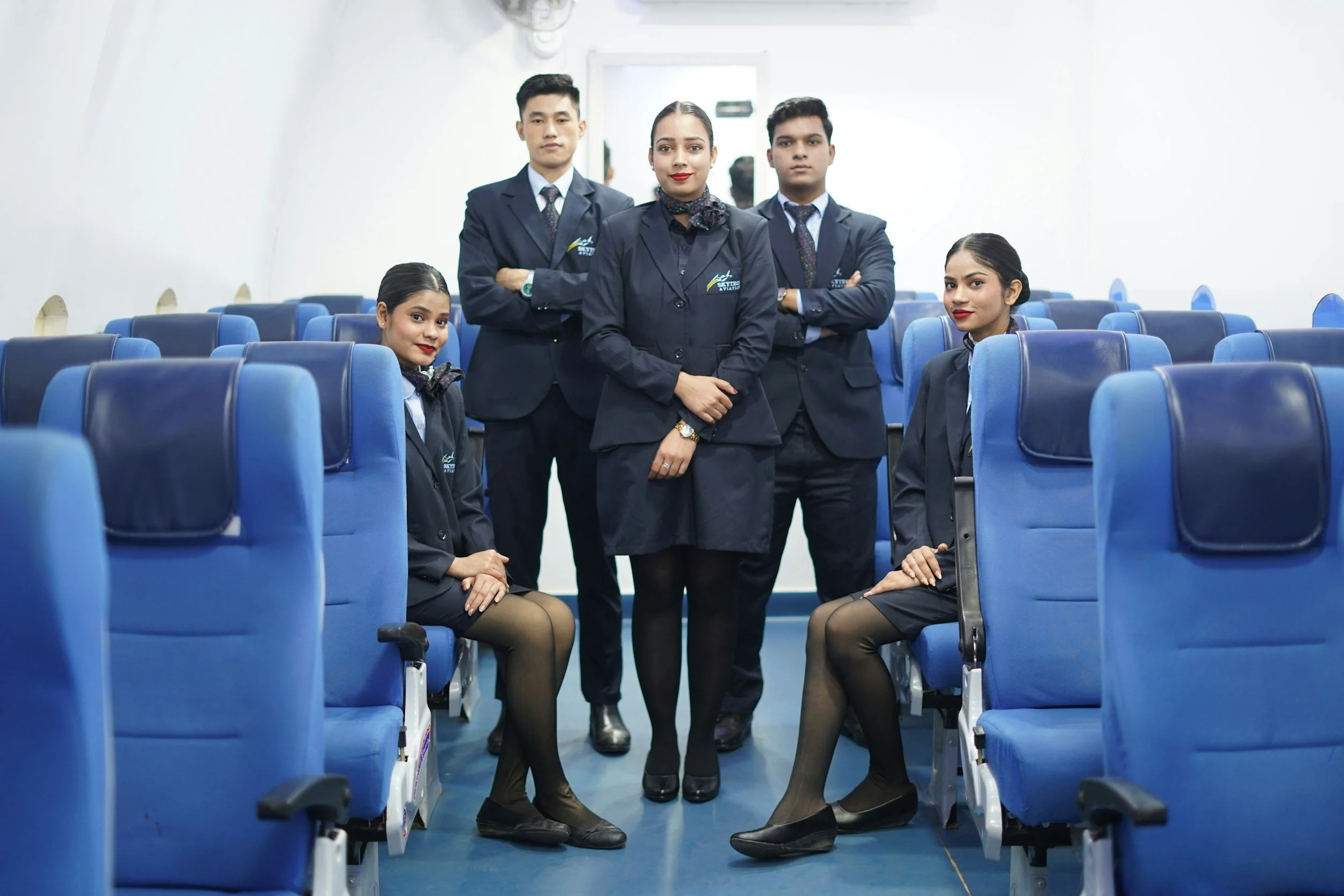
transportation and multi-day routes
extended deployments
other work arrangements involving recurring separation from home
Our services are industry-neutral because the schedules may differ, but many of the family pressures are remarkably similar.
What Long Distance Family Is — and What It Isn't
Long Distance Family provides:
- workforce insight
- employee and family education
- practical relationship and family-support tools
- facilitated workforce and leadership discussions
- resources designed specifically around work-related separation
Long Distance Family is not:
- counselling or psychotherapy
- an employee assistance program
- an employee-relations investigation
- a clinical mental-health assessment
- a replacement for an organization's existing wellness or benefit programs
We complement existing supports by focusing on a specific gap that traditional programs may not fully address.
Mission & Principles
Our Mission
To help employers better understand and support employees and families navigating recurring work-related separation through practical insight, education and resources.
Our Principles
Family-Inclusive — We recognize that work-away arrangements affect more than the employee.
Practical — We focus on tools and recommendations people and organizations can realistically use.
Respectful — We support employees and families without intruding into private relationships or crossing professional boundaries.
Evidence-Informed — We combine lived experience, workforce insight and relevant research to guide our work.
Workforce-Focused — We help organizations understand where support can make a meaningful difference within the realities of their operations.